

Whoa!
Prijs vergelijk ADSL, kabel, glasvezel aanbieders en bespaar geld door over te stappen!
I first installed a Solana wallet extension last year. It felt oddly liberating. My instinct said “this will speed things up”, and it did. At the same time, something felt off about the app permissions, so I dug deeper. Initially I thought that browser wallets were all equal, but then I realized there are real differences in UX, security defaults, and developer ergonomics.
Okay, so check this out—using a wallet in your browser changes how you interact with DeFi and NFTs. Seriously? Yes. It cuts friction. Transactions are faster, and approvals happen with a click rather than pasting addresses. But that speed pays a price unless you pick wisely and stay vigilant.
Here’s what bugs me about some wallet extensions. They ask for seemingly broad permissions. They sometimes keep long, confusing permission names that people accept reflexively. I saw a friend approve something he didn’t understand (oh, and by the way…) and later lost out on a stale token approval. That was a wake-up call.
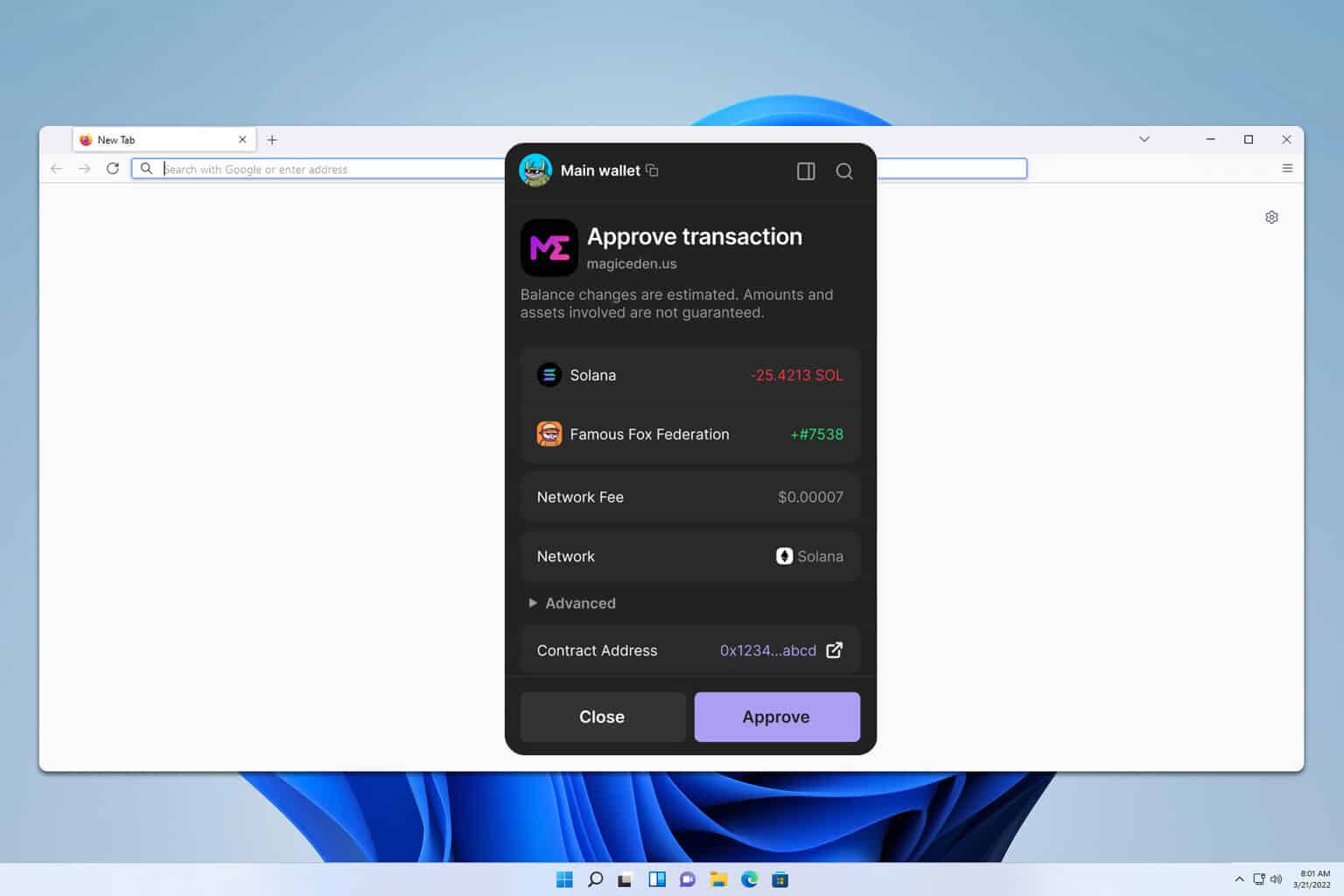
How Phantom Feels in Daily Use
I like Phantom’s polish. The interface is clean and uncluttered. It reduces cognitive load when you bridge, swap, or sign a message. My gut told me “this is built by people who care about product design.” At first blush it felt lightweight, though actually it packs sensible features like token search, NFT gallery, and network switching without shouting at you.
When I started using Phantom for small trades, everything was smooth. Confirmations show clearly, and estimated fees are visible. You can see recent activity without toggling to a third party explorer, which is nice. For developers, the injected provider API is straightforward and compatible with common dapps.
On one hand, browser extensions are convenient. On the other, they expose keys to the environment of your browser which may have other extensions installed. So it’s a trade-off. Use a dedicated browser profile for crypto stuff, honestly. I’m biased, but I’ve stopped mixing my shopping and banking tabs with wallet ops.
Hmm… you might be thinking about seed phrases now. Good. Don’t store them in plain text. Use hardware wallet support if you can. Phantom supports hardware wallets like Ledger for transaction signing, which adds an important layer of safety for larger balances.
Security practices matter more than brand. Backups, revoking approvals, and cautious click habits protect you better than any UI flourish. Initially I thought backups were annoying, but then a hard drive failure taught me to be religious about them. Coincidentally that experience made me very careful with account recovery steps everywhere.
Why Permissions and Approvals Matter
Really?
Yes, approvals are the top attack surface in DeFi. Allowances let contracts move tokens on your behalf. Approve too broadly and you risk exposure. Phantom does surface approval details, yet many users click through without reading. Be granular—set minimum approvals where possible.
On a technical level, Phantom leverages Solana’s transaction model which has lower fees and faster finality compared to many chains. That affects how you think about UX. You can batch actions and not fear a $40 gas spike. Though actually, lower fees sometimes lead to more frequent micro-transactions that can clutter your activity history.
Something I see again and again: people reuse simple accounts. That’s an easy mistake. Split roles across accounts—one for small daily interactions, another for staking and longer-term holdings. This reduces blast radius if a private key leaks.
My workflow now looks like this: one browser profile, hardware-backed main account, and a hot wallet for small bets. It’s not perfect, but it balances convenience and safety for me. Your mileage may vary, of course.
Integrations and Developer Experience
Whoa!
Phantom’s dev tooling is pragmatic. The injected window.solana object follows established patterns, and signing flows are predictable. That consistency helps both beginner builders and teams scaling dapps. The community libraries are maturing, and example code is everywhere.
Still, there are edge cases where provider behavior diverges from on-chain expectations, especially when dapps assume infinite approvals or don’t check confirmation statuses robustly. This causes failed UX loops. It’s a small annoyance, but it shows where better standards would help everyone.
On-chain analytics tools pair nicely with Phantom. You can inspect recent txs, check program interactions, and trace approvals with a few clicks. For power users, connecting your activity to explorers is second nature. For new users, it’s a lot to learn at once.
I’ll be honest: onboarding remains the sticky part. The wallet can be elegant, but the ecosystem around it needs friendlier education and guardrails. Tutorials help, but hands-on tooling like in-app warnings for risky approvals would reduce mistakes significantly.
Performance, Updates, and Trust
Hmm…
Updates are frequent. That can be reassuring when security patches are pushed quickly. It can also be annoying if an update changes a flow you rely on. Phantom strikes a reasonable balance—new features roll out, but core flows stay familiar. The team communicates through release notes and community channels.
Trust is not binary. It evolves through transparency, incident responses, and governance. Phantom has published audits and engaged with the community after past incidents. That doesn’t eliminate risk, but it matters. I’m not 100% sure of everything they do behind the scenes, but their public posture gives me some confidence.
For those wanting to try it, you can get the extension here: phantom. Try it in a controlled way—small txs first. Test recovery, and then step up your usage as you get comfortable.
FAQ
Is Phantom safe for large amounts?
Short answer: use caution. For large balances, add a hardware signer like Ledger and avoid keeping everything in a single hot wallet. Spread risk and monitor approvals often.
Can I use Phantom on multiple browsers?
Yes, but treat each installation as a separate security domain. I run a dedicated browser profile for crypto to limit cross-extension exposure. Also, export and store your seed phrase securely before moving between browsers.
What should I do if I suspect a compromised approval?
Revoke allowances, move funds to a safe account, and if needed, consult on-chain explorers and community forums quickly. Act fast—many exploit patterns are automated and opportunistic.
